E-mail us: [email protected]
บริการตลอด 24 ชั่วโมง - 7 วันต่อสัปดาห์

ต้องการความช่วยเหลือตอนนี้ใช่ไหม? โทรหาเรา!
+86-573-8553-5198
E-mail us: [email protected]
บริการตลอด 24 ชั่วโมง - 7 วันต่อสัปดาห์
ต้องการความช่วยเหลือตอนนี้ใช่ไหม? โทรหาเรา!
+86-573-8553-5198


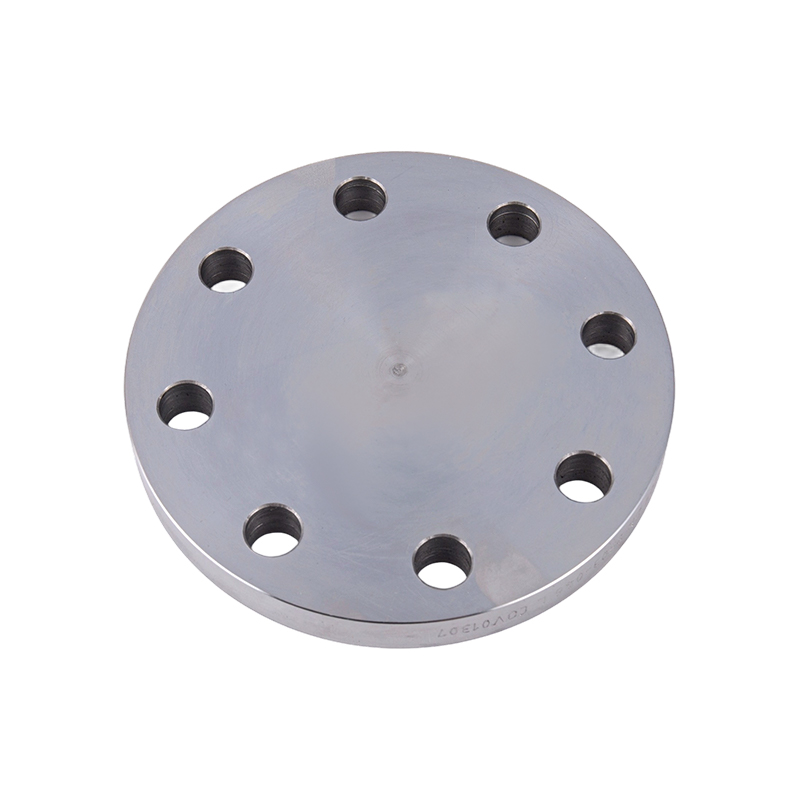
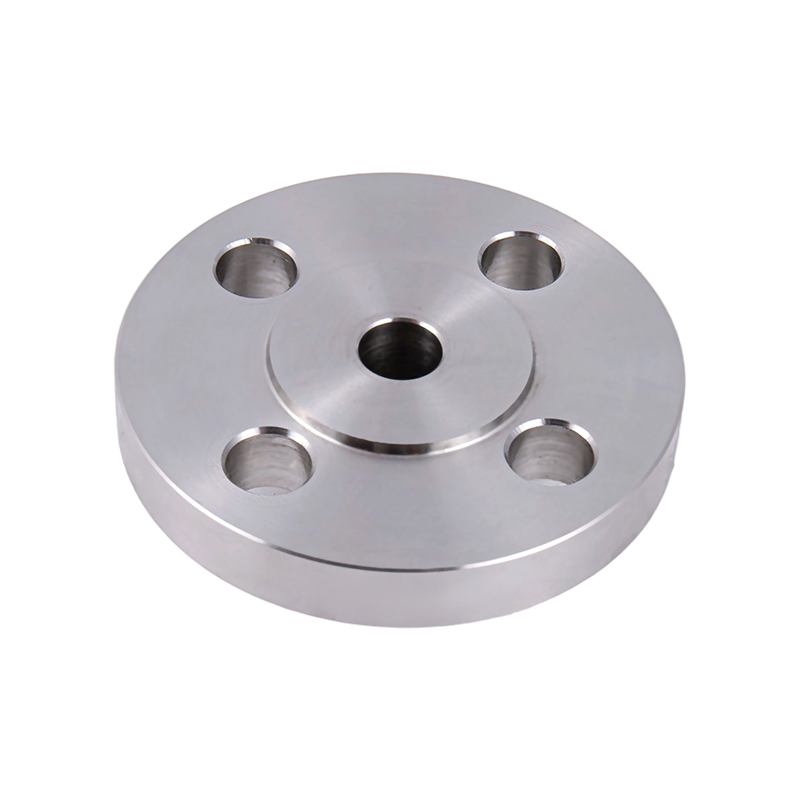
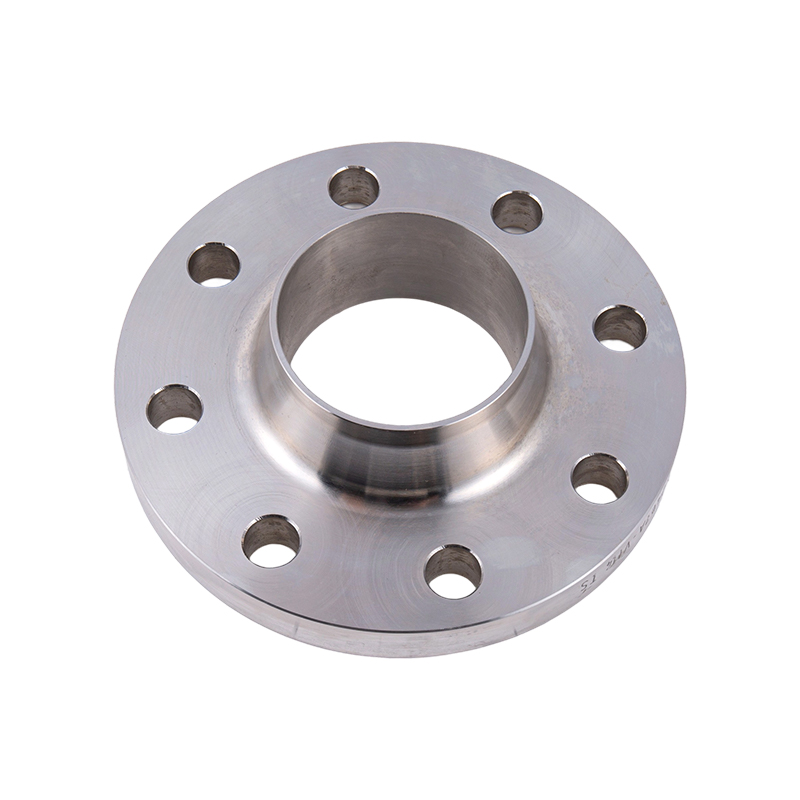
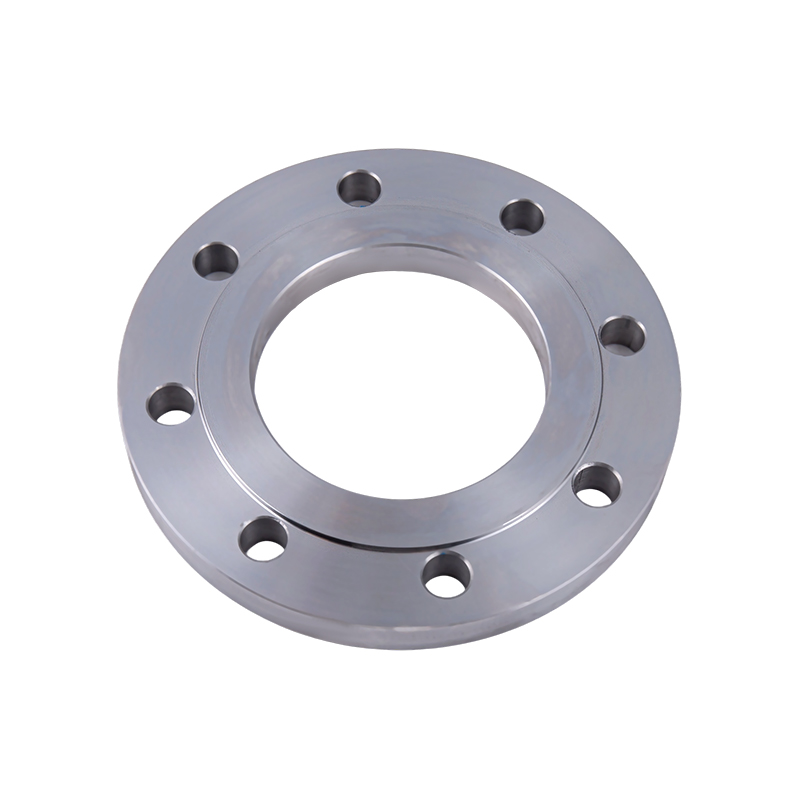
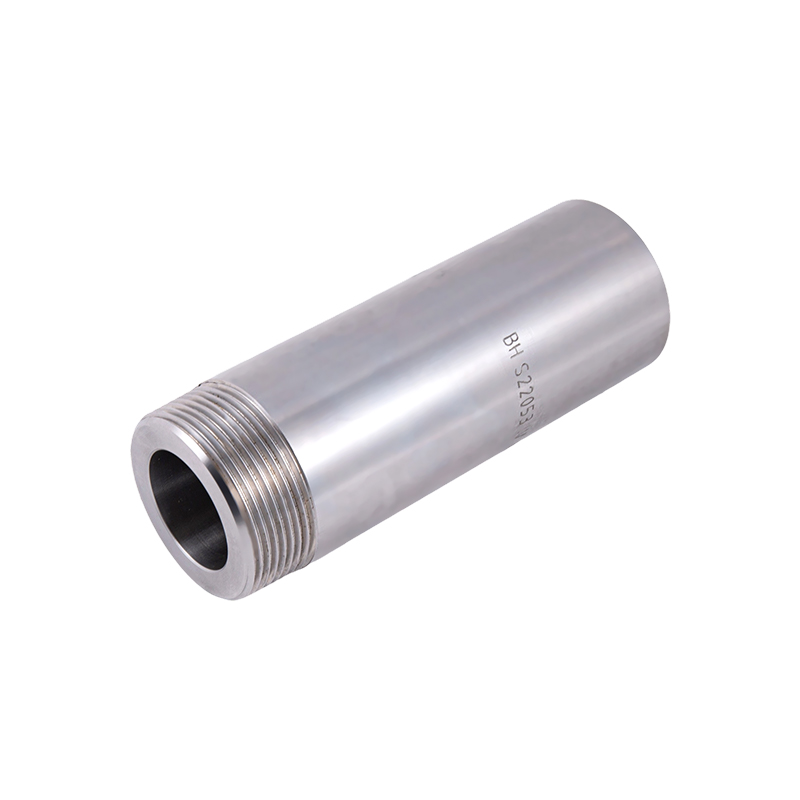
หัวฉีดปั๊ม ช่องวาล์ว การเชื่อมต่อตัวแลกเปลี่ยนความร้อน คือจุดในระบบท่อที่พื้นที่การติดตั้งหมดก่อน ชิ้นส่วนสปูลแบบหน้าแปลนมาตรฐานจะเพิ่มความยาวซึ่งหาไม่ได้ทั่วไป นั่นคือปัญหา ข้อต่อท่อหน้าแปลนชนิดสั้น ถูกสร้างขึ้นมาเพื่อแก้ปัญหา: พวกมันให้การเชื่อมต่อแบบสลักเกลียวและไม่มีรอยรั่วแบบเดียวกับข้อต่อหน้าแปลนแบบเต็มความยาว แต่มีขนาดเพียงเสี้ยวหนึ่งของขนาดที่หันหน้าเข้าหากัน สิ่งที่ทำให้การเลือกวัสดุมีความสำคัญเป็นพิเศษสำหรับข้อต่อประเภทนี้คือรูปทรงที่มีขนาดกะทัดรัดทำให้เกิดข้อผิดพลาดน้อยลง ความหนาของผนัง ความเรียบของพื้นผิวซีล และคุณสมบัติทางกลล้วนส่งผลที่ตามมามากขึ้นเมื่อมีวัสดุให้ใช้งานน้อยลง
คู่มือนี้ครอบคลุมถึงกรณีทางวิศวกรรมสำหรับข้อต่อหน้าแปลนชนิดสั้นที่ทำจากเหล็กสเตนเลสและเหล็กกล้าคาร์บอน วิธีเลือกระหว่างข้อต่อทั้งสอง และสิ่งที่ควรมองหาในข้อต่อปลอมแปลงที่จะคงอยู่นานหลายปีในการให้บริการทางอุตสาหกรรม
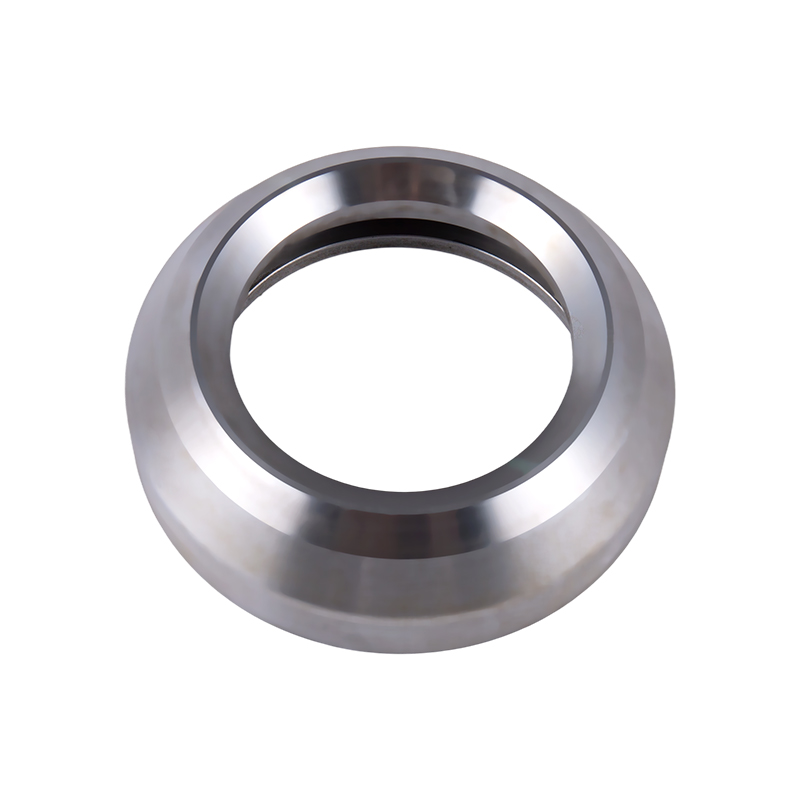
ชิ้นส่วนสปูลแบบหน้าแปลนมาตรฐานมีขนาดความยาวหันหน้าเข้าหากันเพื่อรองรับความคลาดเคลื่อนในการติดตั้ง และช่วยให้เปลี่ยนปะเก็นได้โดยไม่รบกวนส่วนประกอบที่อยู่ติดกัน Short type flanged fittings reduce this dimension to the minimum required for a structurally sound flanged joint — typically 50 to 150 mm face-to-face, depending on nominal diameter and pressure class.
ความยาวที่สั้นลงนี้มีผลในทางปฏิบัติสองประการ ขั้นแรก จะช่วยแก้ไขช่องว่างในการติดตั้งที่อาจต้องมีการผลิตแบบกำหนดเองหรือการวางท่อออฟเซ็ตที่ไม่สะดวก ประการที่สอง จะช่วยลดจำนวนจุดเชื่อมต่อในระบบที่มีความหนาแน่นสูง — การติดตั้งที่สั้นลงระหว่างส่วนประกอบที่มีหน้าแปลนสองชิ้นหมายถึงปะเก็นน้อยลง ชุดโบลต์น้อยลง และเส้นทางการรั่วไหลที่อาจเกิดขึ้นน้อยลง
ข้อดีคือความแม่นยำของมิติ เพราะว่า ข้อต่อท่อหน้าแปลนชนิดสั้นสำหรับการติดตั้งท่อขนาดกะทัดรัด ปล่อยให้ความทนทานต่อการวางแนวไม่ตรง ใบหน้าของหน้าแปลนจะต้องได้รับการประมวลผลเพื่อให้มีความคลาดเคลื่อนของความเรียบที่ใกล้เคียงกว่าคู่ที่ยาวกว่า และตัวท่อจะต้องตรงและมีศูนย์กลางภายในขอบเขตที่เข้มงวดยิ่งขึ้น นี่คือจุดที่วิธีการผลิต โดยเฉพาะการตีและการหล่อ กลายเป็นประเด็นสำคัญ
การใช้งานที่มีการระบุข้อต่อหน้าแปลนแบบสั้นเป็นประจำ ได้แก่ :
สแตนเลสเป็นวัสดุเริ่มต้นสำหรับอุปกรณ์ข้อต่อหน้าแปลนชนิดสั้นที่มีฤทธิ์กัดกร่อน ที่ chromium content — a minimum of 10.5% by mass — forms a passive oxide layer that self-repairs when scratched, giving stainless steel its characteristic resistance to oxidizing acids, moisture, and chloride-bearing media.
สำหรับอุปกรณ์ที่มีหน้าแปลน สองเกรดจะมีอิทธิพลเหนือการจัดซื้อทางอุตสาหกรรม:
เกรด 304 / 304L ให้ความต้านทานการกัดกร่อนในวงกว้างด้วยต้นทุนปานกลาง สามารถจัดการกับกรดไนตริก กรดอินทรีย์ ตัวกลางเกรดอาหารและสารเคมีบำบัดน้ำส่วนใหญ่ได้อย่างน่าเชื่อถือ การกำหนด L (คาร์บอนต่ำ) ช่วยลดความเสี่ยงของอาการแพ้ระหว่างการเชื่อม ซึ่งเกี่ยวข้องกับข้อต่อที่จะนำไปเชื่อมภาคสนามในการให้บริการ เหมาะสำหรับโรงงานบำบัดน้ำ การแปรรูปอาหาร สาธารณูปโภคทางเภสัชกรรม และบริการเคมีทั่วไปที่อุณหภูมิต่ำกว่า 60°C โดยมีระดับคลอไรด์ต่ำกว่า 200 ppm
เกรด 316 / 316L เพิ่มโมลิบดีนัม 2–3% ซึ่งช่วยเพิ่มความต้านทานต่อคลอไรด์และการกัดกร่อนแบบรูพรุนได้อย่างมาก นี่เป็นข้อกำหนดที่ถูกต้องสำหรับระบบน้ำทะเล การติดตั้งชายฝั่ง สารเคมีฟอกขาว การบริการกรดซัลฟูริกและกรดไฮโดรคลอริก และการใช้งานใดๆ ที่ 304 แสดงให้เห็นว่ามีรูในการให้บริการ ประสิทธิภาพระดับพรีเมียมที่มากกว่า 304 นั้นมีต้นทุนพอประมาณ แต่มีอายุการใช้งานยาวนานในสื่อเชิงรุก
สำหรับสภาพแวดล้อมที่รุนแรง เช่น กรดเข้มข้น บริการออกซิไดซ์ที่อุณหภูมิสูง หรือการใช้งานแบบแช่แข็ง เกรดดูเพล็กซ์สเตนเลส (2205) หรืออัลลอยด์ที่สูงกว่าอาจมีความเหมาะสม แม้ว่าสิ่งเหล่านี้จะต้องมีข้อกำหนดเบื้องต้นเพื่อหลีกเลี่ยงความล่าช้าในการจัดซื้อ
The อุปกรณ์ข้อต่อท่อหน้าแปลนครบวงจร จาก Baihui ครอบคลุมทั้งซีรีส์ 304 และ 316 ในขนาดมาตรฐานและแบบกำหนดเอง โดยมีประเภทหน้าสัมผัสและพิกัดแรงดันที่ตรงกับข้อกำหนด ASME B16.5, DIN EN 1092 และ JIS B2220
อุปกรณ์ข้อต่อหน้าแปลนเหล็กคาร์บอนใช้ส่วนที่แตกต่างกันของเมทริกซ์การเลือก ไม่ใช่เพราะว่าอุปกรณ์เหล่านี้ด้อยกว่าสเตนเลส แต่เป็นเพราะอุปกรณ์เหล่านี้ได้รับการปรับให้เหมาะสมกับเงื่อนไขที่แตกต่างกัน ในกรณีที่สื่อบริการไม่มีการกัดกร่อนหรือระบบต้องอาศัยการเคลือบป้องกันหรือการป้องกันแคโทด เหล็กกล้าคาร์บอนจะให้ความต้านทานแรงดึงที่สูงกว่า ความสามารถในการเชื่อมที่ดีกว่า และต้นทุนวัสดุที่ลดลงอย่างมาก
ASTM A105 is the benchmark carbon steel grade for forged flanges and fittings, covering pressure ratings from Class 150 through Class 2500. It provides a minimum tensile strength of 485 MPa and yield strength of 250 MPa, making it suitable for high-pressure steam lines, hydrocarbon pipelines, and compressed gas systems where mechanical loads govern the design rather than corrosion.
อุปกรณ์หน้าแปลนเหล็กคาร์บอนชนิดสั้นเป็นข้อกำหนดมาตรฐานใน:
ข้อได้เปรียบในทางปฏิบัติประการหนึ่งของเหล็กกล้าคาร์บอนในข้อต่อขนาดสั้น: ความแข็งแรงของผลผลิตที่สูงกว่าช่วยให้ผนังบางลงที่ระดับแรงดันเท่ากัน ซึ่งชดเชยความยาวที่ลดลงบางส่วน For high-pressure Class 900 or Class 1500 applications, this can be the deciding factor between a fitting that fits within the available envelope and one that doesn't.
The sealing reliability of a flanged connection depends on three variables working together: flange face flatness, gasket selection, and bolt load distribution. In short type fittings, the reduced pipe length means the flange faces are closer to welds or stress concentrations that could introduce distortion — making dimensional control during manufacturing more critical than in standard-length fittings.
หน้าแปลนยก (RF) เป็นโครงร่างการปิดผนึกที่พบมากที่สุดสำหรับอุปกรณ์ท่อหน้าแปลนชนิดสั้นในงานบริการอุตสาหกรรม ใบหน้าที่ยกขึ้นจะเน้นการรับน้ำหนักของโบลต์ไปยังพื้นที่ขนาดเล็ก เพิ่มความเครียดบริเวณปะเก็น และปรับปรุงความน่าเชื่อถือของซีลที่ความดันและอุณหภูมิสูงขึ้น For highly corrosive media or vacuum service, ring type joint (RTJ) faces provide metal-to-metal sealing that eliminates reliance on elastomeric gaskets entirely.
โหลดของโบลต์เป็นปัจจัยที่มักทำให้เกิดการรั่วไหลในบริการซึ่งไม่มีอยู่ในการติดตั้ง การหมุนเวียนด้วยความร้อนทำให้เกิดการขยายตัวที่แตกต่างกันระหว่างวัสดุหน้าแปลนและสลักเกลียว ซึ่งจะค่อยๆ ผ่อนคลายแรงจับยึด Specifying the correct bolt material — typically ASTM A193 B7 studs with A194 2H nuts for carbon steel flanges, or A193 B8M for stainless — and following a calibrated torque sequence at installation prevents this relaxation from becoming a leak over the first operational cycle.
For compact installations where access for re-torquing is limited after initial assembly, using spiral-wound metallic gaskets rather than compressed fiber gaskets provides better resilience against bolt load relaxation, retaining sealing force through a wider range of temperature excursions.
The maintenance argument for flanged connections over welded joints is straightforward: a welded connection requires cutting, weld removal, and re-welding to access downstream components. การเชื่อมต่อแบบหน้าแปลนจำเป็นต้องถอดสลักออก In processes that require regular inspection, cleaning, or component replacement — heat exchangers, pumps, strainers, control valves — the time difference between these two approaches is measured in hours versus days, with a corresponding difference in process downtime cost.
Short type flanged fittings extend this advantage to installations where standard spool pieces would have been replaced with welded connections due to space constraints. By providing a bolted joint in the minimum possible face-to-face dimension, they preserve maintainability in locations where it would otherwise be sacrificed to physical limitations.
การวางแผนการแยกชิ้นส่วนควรเป็นส่วนหนึ่งของข้อกำหนดเบื้องต้น ข้อควรพิจารณาที่สำคัญ ได้แก่ :
อุปกรณ์ข้อต่อหน้าแปลนแบบสั้นมีให้เลือกทั้งแบบฟอร์จและแบบหล่อ และความแตกต่างในด้านประสิทธิภาพนั้นไม่ได้จำกัดเลย Forging works the metal under controlled compressive force, aligning the grain structure with the geometry of the finished part and eliminating the porosity, shrinkage cavities, and segregation that are inherent in casting. The result is a fitting with higher tensile and fatigue strength per unit of wall thickness — directly relevant to a component whose compact geometry provides less material cross-section to carry mechanical and pressure loads.
For pressure-retaining fittings, ASME standards draw a clear line: forged fittings are the appropriate specification for flanged components in Class 150 through Class 2500 service. Cast fittings are accepted in lower-pressure utility service but are not preferred where cyclic loading, vibration, or high-temperature differential expansion applies — all conditions common in chemical processing, oil and gas, and power generation installations.
Jiaxing Baihui Machinery has specialized in precision forging since 2007, producing flanges and flanged fittings from stainless steel, carbon steel, and alloy steel with an annual capacity of 20,000 tonnes. Operations are certified to ISO 9001, CE, and Russia CUTR032, covering the major qualification requirements of international procurement specifications. ที่ หน้าแปลนปลอมแปลงมาตรฐานและไม่ได้มาตรฐาน produced at Baihui's facility in Zhejiang Province are manufactured on the same equipment and to the same dimensional standards as the short type flanged fitting range — providing consistent interchangeability across a complete piping system built from Baihui components.
สำหรับข้อกำหนดทางเทคนิค การรับรองวัสดุ หรือสอบถามเกี่ยวกับการจัดหา OEM โปรดติดต่อ Baihui Machinery โดยตรง

อังกฤษ
สินค้า
ข้อมูลการติดต่อ
+86-573-8553-5198
+86-136-1655-8299
+86-573-8553 5198
เลขที่ 207 ถนน Chuangye เมือง Zhapu เมือง Pinghu มณฑลเจ้อเจียงประเทศจีน
คิวอาร์โค้ด
 ผู้จำหน่ายหน้าแปลนสแตนเลสฟอร์จ